Picture the half-empty Rundle Mall carpark on a wet Tuesday arvo, and you’ll see why format matters: some players want 20 quick draws over a flat white, others want a slower, social call. That gap is exactly where the keno vs bingo differences bite, and it shapes everything from session length to how much you actually trust the screen. I’m Matt Pulford, and I read game lobbies like spreadsheets.
What Actually Separates the Two Formats at the Lobby?
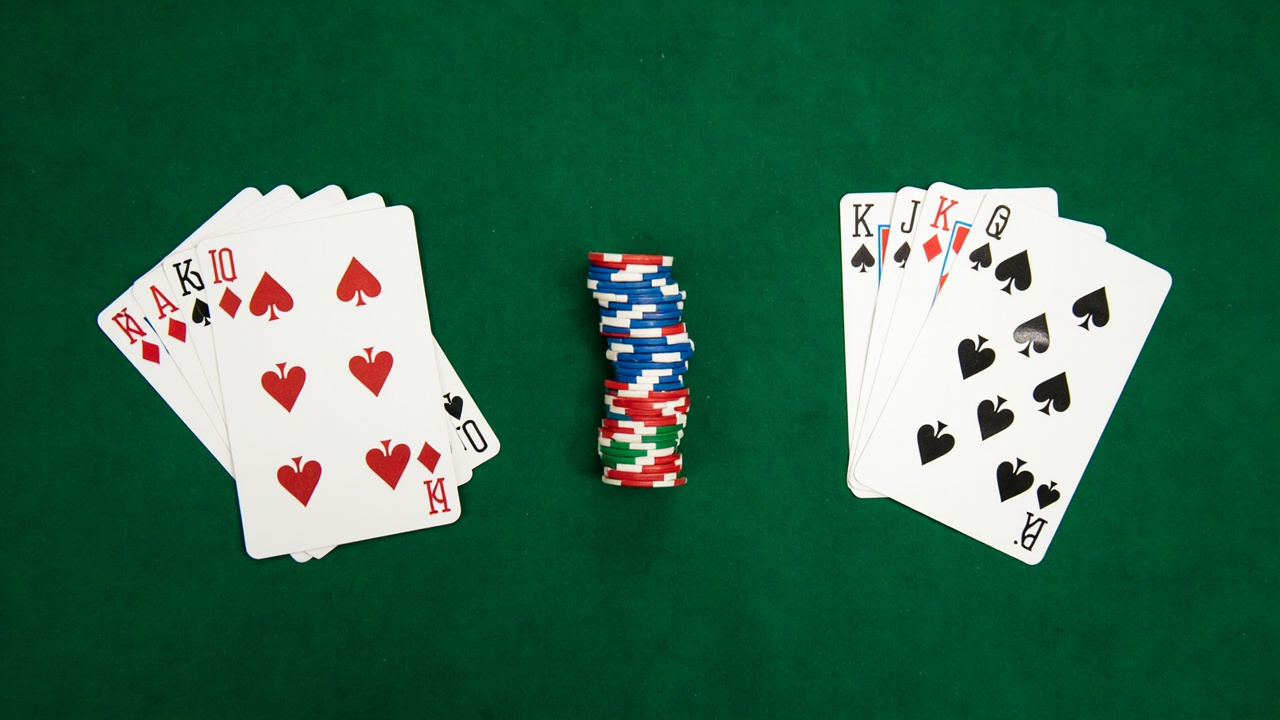
A keno ticket is a self-paced numbers grid that draws every few minutes, often behind a digital curtain with little theatre. Bingo, even online, leans on its caller, its community chat, and a defined card pattern that closes the round, which gives it a very different rhythm. Browse a lobby like the one at online-royalreels.com and the contrast is immediate: keno sits under « Instant Win » or « Lottery » tabs, while bingo lands in « Live » or « Community » sections with scheduled start times and ticket sales windows. Providers matter here too, with keno typically supplied by studios like Pragmatic Play or Belatra, and bingo coming theclubhouselogin.com from Pragmatic Bingo, Evolution’s networked rooms, or Virtue Fusion skins. The numbers tempo also changes session length: a 20-spot keno card can settle in under a minute, while a 90-ball bingo card waits for one line, then two lines, then a full house. That single structural gap is what makes the keno vs bingo differences question worth asking in the first place, because every other variable – bonus, licence, payment rail – plays out on top of that foundation.
How Do Licensing, Security, and Privacy Stack Up?
The trust question cuts deeper than the graphics suggest, and Australia’s gambling reform debates often pit revenue against harm reduction, which makes licensing scrutiny a player-side concern, not just a regulator’s. Keno rooms on international platforms are typically served by Curaçao- or Anjouan-licensed operators carrying 128-bit TLS, while networked bingo tends to use the same security envelope since the chat, ticket sales, and RNG draws all run on the platform’s main domain. Privacy handling diverges slightly: bingo chat logs may be retained longer for community-moderation purposes, whereas keno bet history is stored against the player account for 30 to 90 days depending on operator policy. Account verification standards sit on the same legal footing for both, with photo ID and a recent utility bill required before the first withdrawal is processed, regardless of which game you favour. I would treat any platform that hides its licence number, problem-gambling policy, or encryption detail in a footer as a red flag, and that applies equally whether you’re pressing numbers every minute or waiting on a full-house call.
Which Responsible-Play Tools and Support Channels Matter?
Support and harm-minimisation are where the comparison gets genuinely useful, because the friction points differ between the two formats. A 24/7 live-chat widget, a registered Adelaide-based complaints contact reachable on local time, visible deposit caps calibrated in AUD, and a written harm-minimisation policy all indicate that an operator is engaging with Australian consumer expectations, even when the licence sits offshore. Responsible-play tooling is now standard across reputable brands: self-exclusion timers, session clocks, and mandatory reality checks after 60 minutes of continuous play. The catch with keno is its rapid-draw cycle, which can quietly burn through a deposit cap during a long session, so on the data side, automated stop-loss prompts are worth more here than in bingo. Bingo’s slower cadence gives the platform’s intervention tools more time to surface a prompt before another ticket is sold. As Amelia Graham, Chief Financial Officer at Blue Mountains Interactive, puts it, « the speed of a keno draw compresses the harm-minimisation window, and operators have to engineer around that, not pretend it doesn’t exist. »
How Do Bonuses, Payments, and Loyalty Compare?
Bonus mechanics reward different behaviours, and the maths behind each is worth a quick look. Keno tends to be small-stake-friendly: 10 AUD in free plays against a 30 AUD deposit, or 1 AUD bonus tickets on the first ten draws, with a 35x wagering requirement attached. Bingo skews toward ticket bundles, where a 50 AUD deposit yields 200 AUD in card credits across the week’s scheduled rooms and that structure suits the format because a single ticket is meaningless outside its session. Registration runs identically on both formats – email, mobile number, and a 10 AUD minimum deposit – and the lobbies are HTML5, so no app is needed. Payments converge on POLi, PayID, Visa, and a handful of crypto rails, with withdrawals typically clearing within 24 to 48 hours once KYC completes. Loyalty ladders diverge sharply: keno rewards raw volume in cashback percentages, while bingo grants access to invite-only rooms with bigger fixed jackpots and longer-format sessions. Both fit their format; neither is objectively better.
Pick keno if you want short, anonymous sessions and a numbers-game mindset. Pick bingo if you value scheduled rounds, community chatter, and slower pacing. Either way, the real decision sits with the platform’s licence, support reach, and responsible-play toolkit, because those are the controls that actually survive a bad run on either format. Spend the time on those checks, and the format choice almost takes care of itself.
Glossary
- RNG: Random Number Generator, the software that decides draw outcomes.
- KYC: Know Your Customer, the photo-ID verification step before withdrawals clear.
- TLS: Transport Layer Security, the 128-bit encryption standard used by reputable platforms.
- POLi: An Australian online banking payment rail that processes deposits directly from a bank account.
- Self-exclusion: A player-set block on account access used as a responsible-play tool.
