MOTS-c acts primarily as a metabolic regulator, through two mechanisms that are worth distinguishing. Yes, there are many websites and social media influencers that promote MOTS-c as an injectable weight loss and body building peptide drug. Furthermore, it has been shown in mice that MOTS-c treatment improves physical performance in mice of all ages and seems to regulate skeletal muscle1. They target mitochondria through completely different mechanisms. Protocols describe adding 2 mL of bacteriostatic water to a 10 mg vial.
Taking doses on workout days, particularly before exercise, can enhance the synergy between exogenous MOTS-c and exercise-induced AMPK activation. The single most effective strategy for minimizing side effects is conservative initial dosing. Here is how experienced researchers minimize adverse reactions while maintaining effective dosing. TB-500 similarly works through distinct mechanisms. Stacking MOTS-c with other peptides requires understanding how their mechanisms interact.
Yi and KLOW blend colleagues , 2023, Frontiers in Physiology, reviewed bone-metabolism findings. Lee and colleagues (2015, Cell Metabolism) showed MOTS-c reduced obesity and insulin resistance in mice on a high-fat diet. Compare baseline notes to end-of-cycle notes; do not extend without a review.
It covers the protocol structure most often discussed for MOTS-c (simple reconstitution math), and what the published evidence does and does not show. Innerbody uses only high-quality sources, including peer-reviewed studies, to support the facts within our articles. And the medical oversight meets the high standard you’d want from a purveyor of high-quality pharmaceutical peptides — as every order requires physician review and fulfillment by a state-licensed 503A compounding pharmacy.
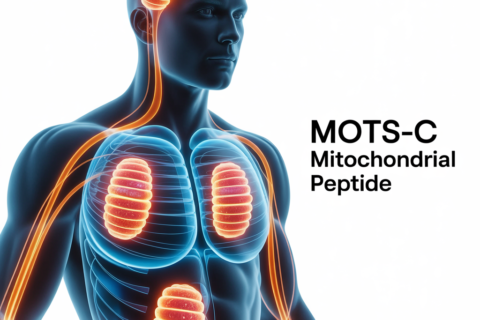
Different mechanisms are utilized by them to activate AMPK, nonetheless. Specific goals will determine the choice between them or the decision to merge them. A fragment of growth hormone designed specifically to enhance fat metabolism without the effects of other growth hormones is AOD-9604.
Ready for the ultimate sleep upgrade?
The compound has been extensively studied in research contexts involving obesity (metabolic syndrome), and insulin resistance. Studies published in Diabetes demonstrate reversal of insulin resistance in high-fat-diet-induced obesity models. Research in diabetic mouse models has shown that administration improves both insulin sensitivity and glucose uptake into skeletal muscle. These findings positioned the mitochondrial derived peptide metabolic health application as a leading candidate for metabolic disorder research.
The primary rationale involves aligning the key factor contributing to a patient’s deterioration with the corresponding mechanism and carefully evaluating the quality of evidence for each. Clinicians should adopt a helpful approach by distinguishing the ongoing and legitimate scientific interest from the marketing assertions that frequently accompany it. The potential uses of MOTS-c are primarily centered on energy and metabolism discussions.
Activation of AMPK
The protocol was modified and the trial resumed, but this highlights that injection site issues can be more than trivial. Two researchers can take identical doses of MOTS-c and experience completely different side effect profiles. The difference often comes down to dosing protocols (individual physiology), and the quality of the product being used. Discover the berberine dosage for weight loss based on mechanism (timing), and my own decade of self-experimentation. I break down the real mechanisms — the research, and how to actually raise your levels. Some people report transient fatigue or mild nausea at higher doses of 15 to 20 mg, which is one more reason I stay at 1 mg.
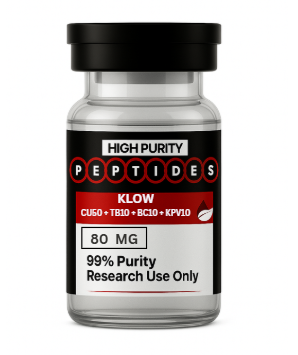
AMPK Activation
Humanin has shown neuroprotective potential, while Epitalon has been investigated for telomere lengthening and circadian rhythm regulation. The MOTS-c peptide (encoded in mitochondrial DNA), has therefore been investigated as a potential tool for extending healthspan and delaying age-related decline. This makes it conceptually similar to recovery peptides like BPC-157, though its mechanism is based on energy regulation rather than tissue repair. MOTS-c may also shield skeletal muscle from metabolic stress during high-intensity exercise. In one study, Lee, Cell Metabolism demonstrated that MOTS-c improved insulin resistance and protected against diet-induced obesity in mice.
A first-in-human Phase I safety evaluation reported no serious adverse events with subcutaneous MOTS-c at doses up to approximately 10 mg, and pharmacokinetics consistent with intermittent dosing. Frequent, smaller doses aim to keep the AMPK-related signal periodically engaged without loading the body with an unnecessarily large amount at once. MOTS-c has a relatively short circulating half-life, which is the practical reason it is dosed several times per week rather than as a single large weekly bolus. If weight loss is the primary goal (a physician may recommend a different), better-evidenced pathway. In studies — MOTS-c improved insulin sensitivity and prevented diet-induced weight gain in mice; it did not produce dramatic caloric-independent fat loss the way GLP-1 receptor agonists do in humans. People searching “MOTS-c dosage for weight loss” are usually looking for a fat-loss shortcut.
Why MOTS-c Is Called an “Exercise Mimetic”
Clinical protocols commonly use 5-10mg per week administered via subcutaneous injection — either 5mg once weekly or split into smaller doses (e.g., 2.5mg twice weekly). But for aging individuals with limited exercise capacity (or as a complement to training in peptides for muscle growth protocols), the data suggests real potential. This guide covers how the MOTS-c peptide works — its benefits, dosing protocols, side effects, weight loss potential, and before-and-after results from the available research. If you’re just starting to look into MOTS-c, this guide walks through what it is, how it’s believed to work, why it’s generated interest around energy and metabolic health, how people commonly approach dosing, and what the potential downsides look like. A 2023 review in Frontiers in Endocrinology noted that lower doses , 0.5–5 mg/kg, were typically administered over 8–12 weeks, while higher doses (10–15 mg/kg) were used in 2–4 week protocols.

Match the lot number on the vial to its certificate. MOTS-C vial sizes — prices and lots at LDAminosSizeListWith our codePer mgAvailability10 mg$48.99$29.39$2.94In stock40 mg$126.99$76.19$1.90In stock As with other experimental peptides, the risks of black-market sourcing and unsupervised use outweigh potential short-term benefits.
